Root Canal Treatment in Antalya Turkey
Root canal treatment may help save a damaged or infected tooth when the inner tissue is affected. At Patara Dent in Antalya, treatment is planned after clinical examination, X-ray evaluation and a clear explanation of the possible steps.


The root canal treatment process is planned according to the tooth condition, canal anatomy, infection level and restoration needs. The exact timeline can vary from patient to patient.
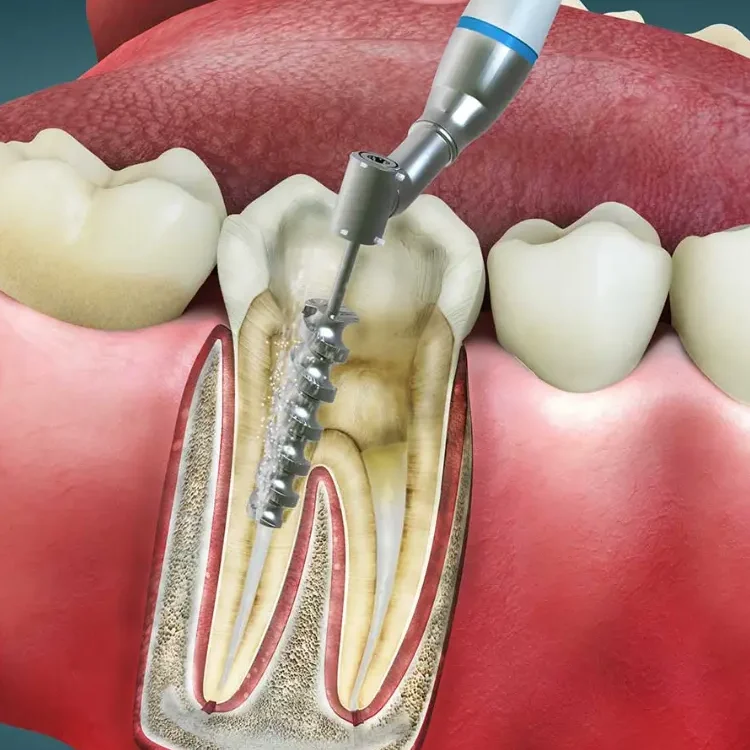
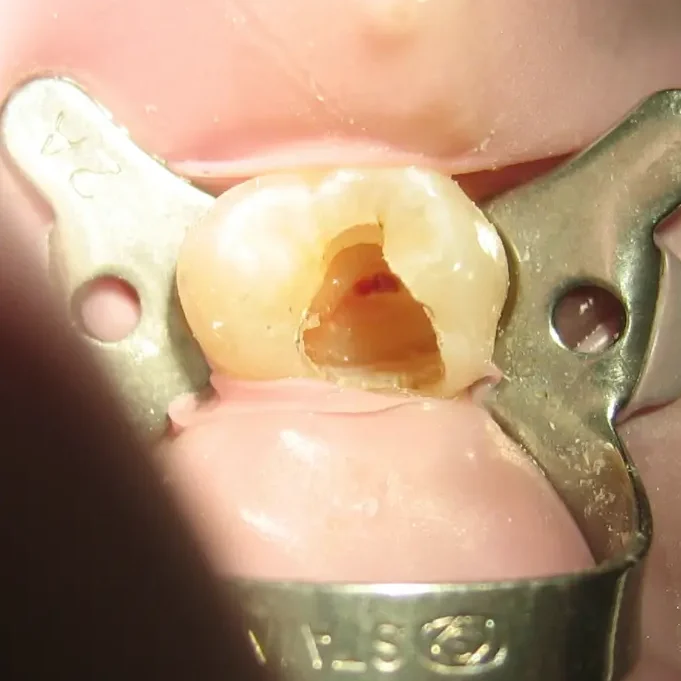
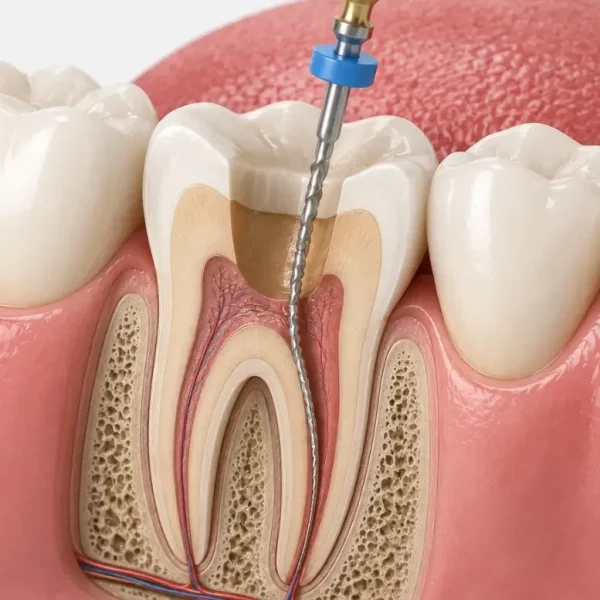
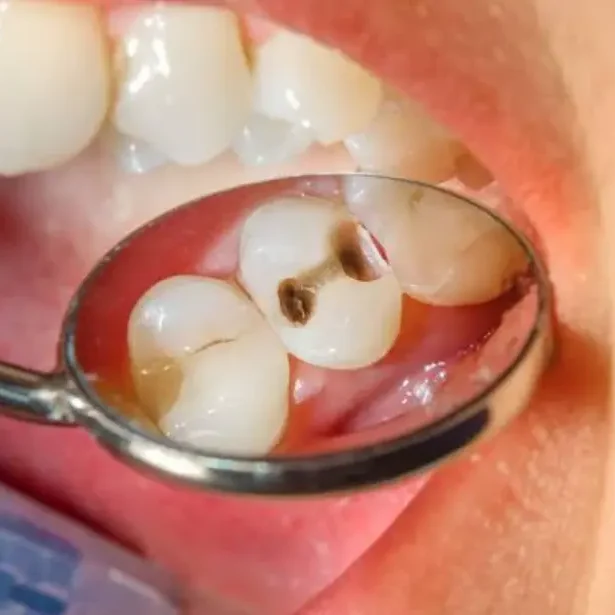
Root Canal Treatment in Antalya, Turkey: Preserving Your Natural Tooth
Root canal treatment aims to preserve a tooth when its inner soft tissue, known as the pulp, becomes irreversibly inflamed or infected. Instead of removing the entire tooth, the dentist treats the root canal system and restores the remaining tooth so it can continue to function.
At Patara Dent in Antalya, Turkey, assessment begins with whether the affected tooth can be reliably maintained. The amount of remaining tooth structure, gum support and condition of the roots all influence this decision. Pain or infection does not automatically mean extraction is necessary, although some teeth may be too severely damaged to save.
3D Dental Tomography for Root Canal Treatment: When Is CBCT Useful?
Cone-beam computed tomography, or CBCT, produces three-dimensional images that allow the dentist to examine a tooth and surrounding bone in different cross-sectional views. In selected cases, this can help clarify complex root anatomy, locate additional canals or investigate persistent problems following previous root canal treatment.
Unlike a conventional two-dimensional X-ray, CBCT can reduce the difficulty caused by overlapping anatomical structures. However, it is not needed for every root canal procedure and cannot reveal every problem. The dentist should request it only when examination and lower-dose imaging do not provide sufficient information. When appropriate, a limited scan area focuses imaging on the region that needs investigation.
Why Choose Patara Dent
A Planned Approach to Root Canal Treatment
Root canal treatment is not only about relieving pain. It requires careful diagnosis, canal cleaning, sealing and restoration planning so the tooth can remain functional when possible.
01
Careful Tooth Diagnosis
Treatment begins with examination, X-ray evaluation and assessment of the tooth’s restorability before the procedure is planned.
02
Clear Treatment Explanation
The dentist explains why treatment is needed, what will be done and whether a final filling or crown may be required.
03
Tooth-Saving Planning
The aim is to preserve the natural tooth when it is clinically suitable and restore it for comfortable daily function.
Explore Our Dental Treatments
Find out more about your treatment options at Patara Dent.
How Root Canal Treatment Works: Cleaning, Disinfection and Sealing
Treatment usually begins with local anaesthesia and isolation of the tooth using a rubber dam. This helps keep saliva away from the working area and protects the mouth during treatment. The dentist creates an opening to reach the pulp chamber, removes affected tissue and carefully cleans, shapes and disinfects the canals.
The prepared canals are then filled and sealed, followed by a restoration to close the access opening. Some cases require more than one appointment, with a temporary filling between visits. The number of appointments depends on the tooth’s anatomy, infection and treatment complexity. Imaging supports planning, but thorough canal treatment and a well-sealed final restoration remain essential to preserving the tooth.
After Root Canal Treatment: Protecting the Tooth and Monitoring Healing
Saving a tooth involves both treating its canals and protecting the structure that remains. Depending on the extent of damage and the tooth’s position, the dentist may recommend a filling, onlay or crown. Completing the recommended restoration promptly helps reduce the risk of leakage and fracture.
Some tenderness can occur after treatment, but worsening pain, swelling or a lost temporary filling should be reported to the clinic. Avoid biting hard foods on the treated tooth until the dentist confirms it is adequately restored. Continue daily brushing and interdental cleaning, and attend recommended reviews to monitor healing. If a tooth does not heal as expected, further treatment may be considered; keeping the tooth cannot be guaranteed in every case.
Start your treatment plannıng
Considering root canal treatment treatment in Antalya?
Contact Patara Dent to discuss root canal treatment, appointment planning and possible treatment stages for your individual case.
Is root canal treatment painful?
Root canal treatment is usually carried out with local anaesthesia. The aim is to manage discomfort during the procedure. Some tenderness may occur after treatment.
How long does root canal treatment take?
The timeline depends on bone condition, healing response and the prosthetic plan. Some cases may involve temporary teeth before the final restoration.
Can every painful tooth be saved with root canal treatment?
Not every painful tooth can be saved. The dentist evaluates the root structure, fracture risk, infection level and restorability before recommending treatment.
Can I travel after root canal treatment?
Many patients can travel after root canal treatment, but the dentist may recommend follow-up or a final restoration depending on the case.
How long does a root canal treated tooth last?
A root canal treated tooth can function for many years when it is properly restored and maintained. Its prognosis depends on tooth structure, oral hygiene and regular dental care.
Do I need an X-ray before root canal treatment?
Radiographic imaging is often useful for full-arch implant planning. The dentist decides which imaging is necessary after clinical assessment.
Trusted Brands
0
+