

All-on-4 Temporary Teeth: Week-by-Week Guide Between Your Two Trips

What to Expect Before Your Final Teeth
After All-on-4 surgery, most patients go home with a fixed temporary bridge and return after about 3–6 months for their final teeth, once the implants have fused with the bone. During this time food is introduced gradually from soft to firmer textures, hard and sticky foods are avoided and the bridge is cleaned carefully every day.


Your surgeon’s written instructions always come first, because the plan depends on implant stability, bone quality and whether teeth were removed on the same day. The guide below explains what most patients can expect.
Week-by-Week Diet Guide (General)
| Period | Food texture | Examples |
|---|---|---|
| Days 1–3 | Cool liquids and smooth foods | Yoghurt, smoothies (without a straw), cool soups |
| Weeks 1–2 | Very soft, almost no chewing | Mashed potato, scrambled eggs, porridge, hummus |
| Weeks 3–8 | Soft, can be mashed with a fork | Soft fish, pasta, minced meat, cooked vegetables, rice |
| Month 2 until final teeth | Soft to moderate, only if advised | Tender chicken, soft bread, fruit cut into small pieces |
| After final teeth | Gradual return to most foods | Follow your dentist’s advice for very hard foods |
General guidance only. Follow the diet plan your surgeon gives you, as it depends on implant stability and healing.
Why You Receive Temporary Teeth First
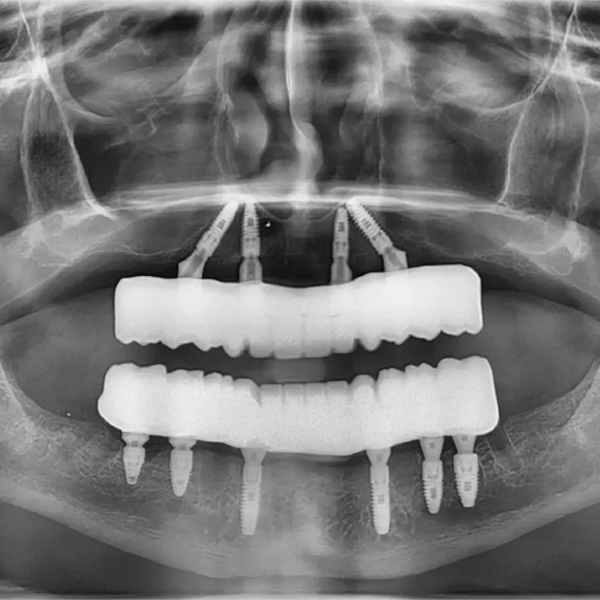
Implants need time to bond with the jawbone, a process called osseointegration. A lightweight fixed temporary bridge lets you smile, speak and eat soft food while the implants heal without being overloaded.
Your gums also change shape after extractions. Making the final bridge after healing gives a better fit, easier cleaning and a more natural appearance. The same principle applies to All-on-6 and many dental implant cases. You can read more about the procedure on our All-on-4 treatment page.
Explore Our Dental Treatments
Find out more about your treatment options at Patara Dent.
Eating With Temporary Teeth: What Is Safe?
Good choices: soups such as lentil soup, yoghurt, scrambled eggs, mashed potato, soft fish, pasta, cooked vegetables, rice dishes and ripe bananas.
Avoid during the whole temporary phase:
- Nuts, seeds and hard crackers
- Crusty bread, pizza crust and tough steak
- Whole raw apples and carrots (cut them small or cook them)
- Toffee, chewing gum and other sticky sweets
- Biting hard foods directly with your front teeth
- Crunching ice
Cut food into small pieces, chew slowly and spread the pressure across both sides. Smoking slows healing and increases the risk of implant problems, so stopping is strongly recommended.
Cleaning, Comfort and Warning Signs
- Rinse and clean after every meal with a soft toothbrush.
- A water flosser and special floss help remove food under the bridge.
- Use any rinse or medicine exactly as prescribed.
- Sleep with your head slightly raised during the first nights to reduce swelling.
Contact the clinic promptly if: the bridge feels loose or moves, the temporary cracks, swelling increases after the third day, you notice a bad taste or pus, you develop a fever, or numbness does not improve. Send clear photos to your coordinator. Your local dentist can examine you, but a screw-retained bridge should not be removed without knowing the implant system. Our contact page lists all the ways to reach us.

Start your treatment planning
Planning All-on-4 Treatment in Antalya?
Ask us how the two trips are scheduled, what the temporary phase involves and what is included in your treatment package.
Frequently Asked Questions
How long will I have temporary teeth after All-on-4?
Typically about 3–6 months, until the implants have integrated with the bone and the gums have settled. The exact timing depends on healing and is confirmed by your surgeon.
Can I eat normally with All-on-4 temporary teeth?
Not completely. Soft foods are recommended at first and firmer textures are added gradually. Hard, crunchy and sticky foods should be avoided until the final bridge is fitted.
What should I do if my temporary bridge breaks?
Contact the clinic straight away and send photos. Avoid chewing on the damaged area and do not try to glue or adjust the bridge yourself.
Will my temporary teeth look natural?
They are designed to look like natural teeth but are usually simpler and less translucent than the final bridge, which is customised after healing.
Can I fly home with temporary teeth?
Yes. Most patients fly home with a fixed temporary bridge once the surgeon has checked healing, commonly a few days after surgery.