

Bone Graft and Sinus Lift: Why Your Implant Quote May Change After the Scan
The Short Answer
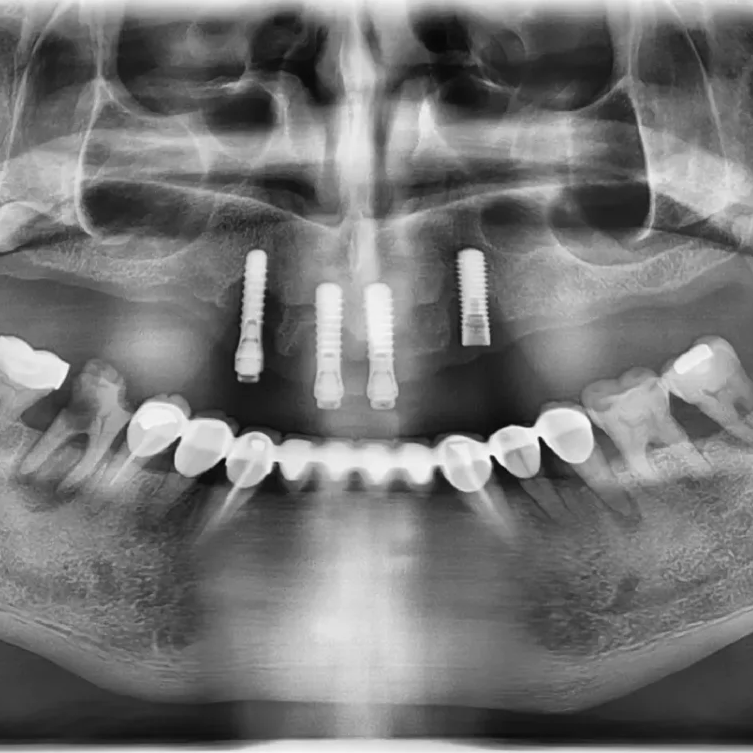
A bone graft adds bone where the jaw is too thin or too low to hold an implant securely, and a sinus lift raises the floor of the sinus to make room for implants in the back of the upper jaw. Both are only needed when a 3D scan shows insufficient bone, which is why a quote based on photos can change after imaging.


At Patara Dent, any additional procedure is explained before treatment, together with how it affects cost and healing time, so you can decide with the full picture.
What Can Change Your Implant Quote?
| Finding on the scan | Possible additional step | Effect on timing |
|---|---|---|
| Enough bone | Standard implant placement | No extra time |
| Thin or narrow ridge | Bone graft, at the same time or before the implant | From none to several months |
| Low bone under the sinus | Crestal or lateral sinus lift | From none to several months |
| Infected tooth to remove | Extraction, with or without a graft | Depends on healing |
| Active gum disease | Gum treatment first | Weeks before implant surgery |
Your exact plan and any additional fees are confirmed after a clinical examination and 3D imaging.
Why Bone Disappears After Tooth Loss
Tooth roots stimulate the surrounding bone. After an extraction the bone gradually shrinks, with the fastest change in the first months. Long-term denture wear and gum disease can speed this up.
In the back of the upper jaw, the sinus can also expand downwards after teeth are lost, leaving less height for an implant. This is why people who have been missing teeth for years are more likely to need extra procedures for dental implants.

Explore Our Dental Treatments
Find out more about your treatment options at Patara Dent.
Bone Grafting and Sinus Lift Explained
Bone grafting uses medically approved graft material, sometimes combined with a protective membrane. Small grafts are often placed at the same time as the implant. Larger defects may need a separate graft and a healing period before the implant is placed.
Sinus lift comes in two main forms:
- Crestal (internal) sinus lift: for a small gain in height, usually done through the implant site at the same time as the implant.
- Lateral window sinus lift: for a larger gain, performed through a small window on the side of the jaw; implants may be placed at the same time or several months later.
Minor grafts may add little time, while larger grafts or a lateral sinus lift can add several months before the final teeth.
Alternatives That May Avoid Grafting
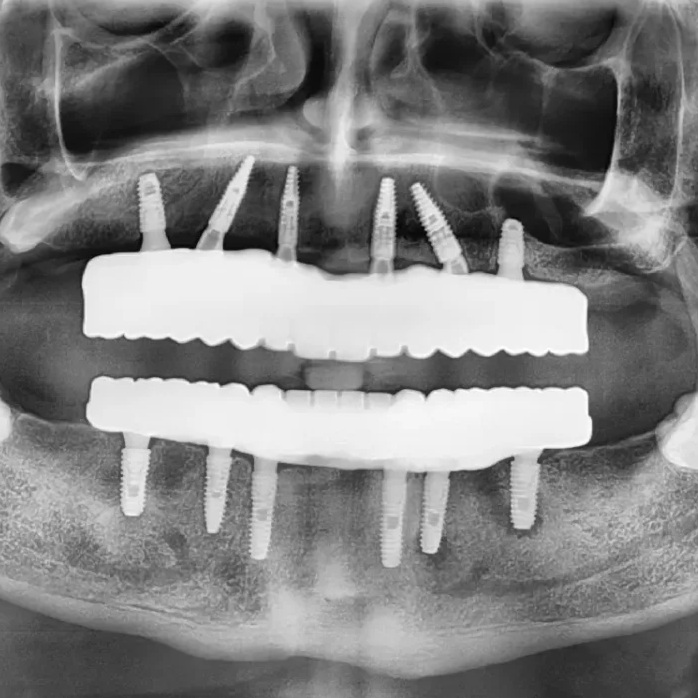
- Angled implants: All-on-4 tilts the back implants to use the available bone and often avoids a sinus lift.
- Shorter or narrower implants: suitable in selected cases where bone is limited.
- Planned implant positions: All-on-6 can sometimes be positioned in the areas with the most bone.
- Removable overdentures: need fewer implants and less bone.
Whether an alternative is suitable depends on your scan, bite and expectations. The safest plan is the one that gives the implants a stable foundation, not the one with the lowest starting price.

Start your treatment planning
Want an Implant Quote Without Surprises?
Send us your CBCT or OPG scan. We will explain whether grafting is likely and how it would affect your treatment stages.
Frequently Asked Questions
Is a sinus lift painful?
It is performed under local anaesthesia. Swelling and discomfort for a few days are common and are usually managed with prescribed medicine and aftercare instructions.
How long after a bone graft can implants be placed?
Small grafts are often placed together with the implant. Larger grafts usually need several months of healing, often around four to six, before implant placement.
Can I fly after a sinus lift?
Air pressure changes can affect the sinus area, so your surgeon decides when it is safe to fly. Patients are usually advised not to blow their nose forcefully during early healing.
Does everyone need a bone graft for implants?
No. Many patients have enough bone. Grafting is only recommended when the scan shows the bone cannot support an implant securely.
Is bone graft material safe?
Graft materials used in dentistry are medically approved. Your dentist can explain the type of material proposed and why it suits your case.