

OPG or CBCT X-ray Before Your Trip: How to Get One for an Accurate Quote
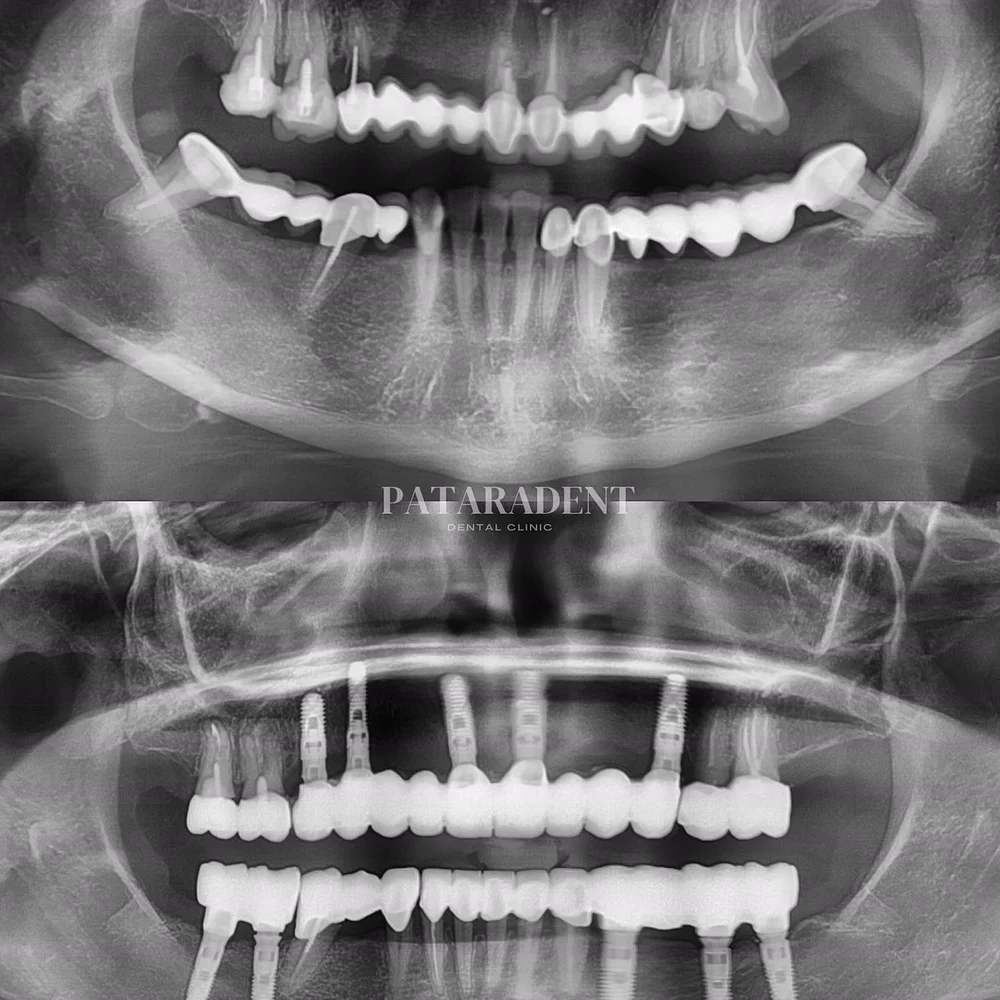
Why an X-ray Changes Your Quote
An OPG is a single panoramic X-ray of all your teeth and jaws; a CBCT is a 3D scan that shows bone height, width and nerve position. Sending a recent OPG, or a CBCT when implants are planned, lets the dentist see roots, bone and hidden infection, so your quote reflects your real treatment rather than a guess from photos.


At Patara Dent, a preliminary plan can be prepared from photos, but the final plan is confirmed after examination and digital diagnostics at our clinic in Antalya. A recent scan from home simply reduces surprises before you book flights.
OPG vs CBCT at a Glance
| OPG (panoramic) | CBCT (3D) | |
|---|---|---|
| Image type | 2D overview of all teeth and jaws | 3D cross-sections of bone and teeth |
| Main use | General assessment, veneers, crowns, whitening plans | Implants, bone grafting, sinus lift, complex root canals |
| File to send | High-resolution JPEG, PNG or DICOM | Complete DICOM folder |
| Radiation | Low | Low to moderate, depends on scan size |
| Typical UK private price | About £50–£100 | About £90–£300 |
Prices are indicative only and vary by provider and region.
OPG vs CBCT: Which Scan Do You Need?
OPG (panoramic X-ray) is a quick, low-dose 2D image. It shows decay under old fillings, previous root canals, bone loss, wisdom teeth and infection at root tips. For veneers, crowns or a general assessment, an OPG is usually enough.
CBCT (cone beam CT) is a 3D scan. It measures bone width and height and shows the sinus and nerve canal, which is why it is used to plan dental implants, All-on-4 and complex root canal cases. If you are unsure, start with an OPG.
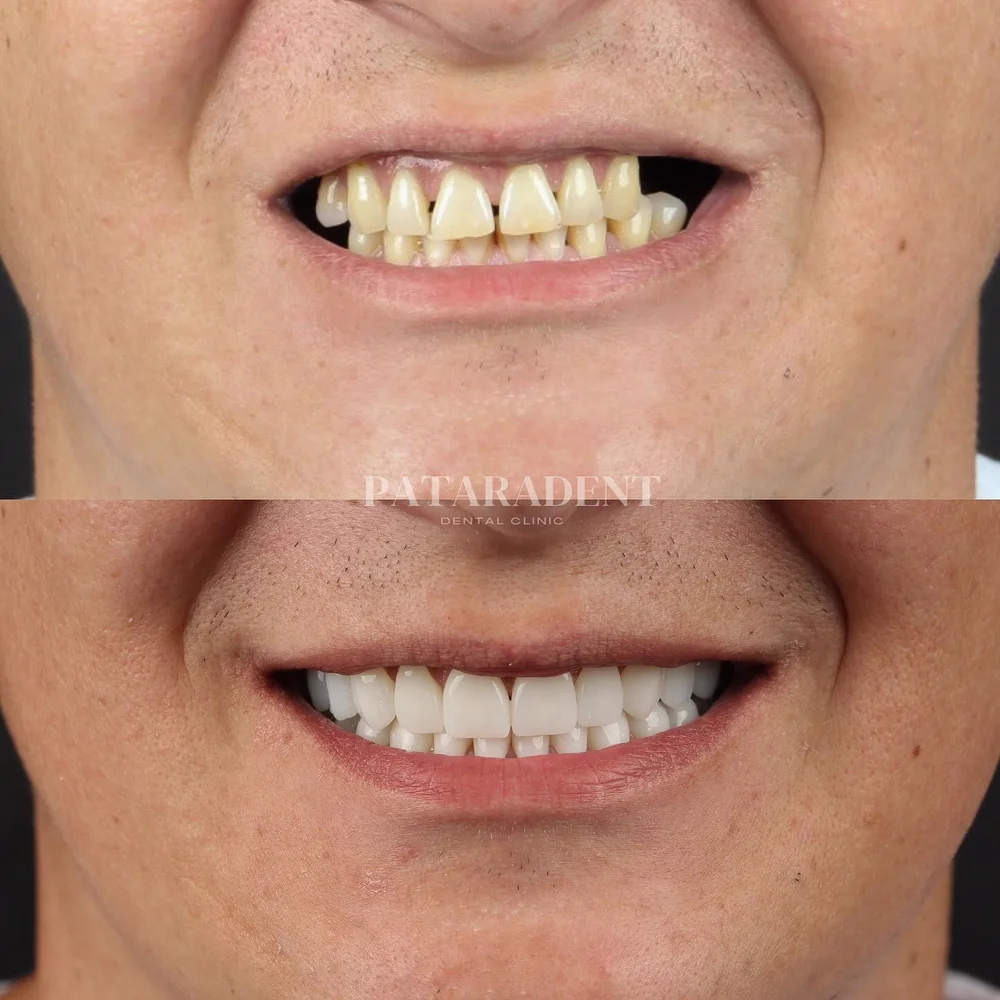
Explore Our Dental Treatments
Find out more about your treatment options at Patara Dent.
How to Get a Dental X-ray at Home: Step by Step
- Ask your own dentist whether you had an OPG in the last year and request a digital copy.
- If not, book at a private dental practice or imaging centre. Dental X-rays must be clinically justified, so a dentist or the centre’s clinician will approve the scan.
- Ask for the right file: an OPG as a high-resolution JPEG, PNG or DICOM file; a CBCT as the complete DICOM folder, not screenshots.
- Request the radiology report if one is available.
- Send the files by WhatsApp or email; large CBCT folders can be shared with a download link.
- Add smile photos (front, both sides, upper and lower teeth) and a short list of your medicines.
In UK private practice an OPG often costs around £50–£100 and a CBCT around £90–£300, depending on the size of the scanned area. Prices vary between providers.
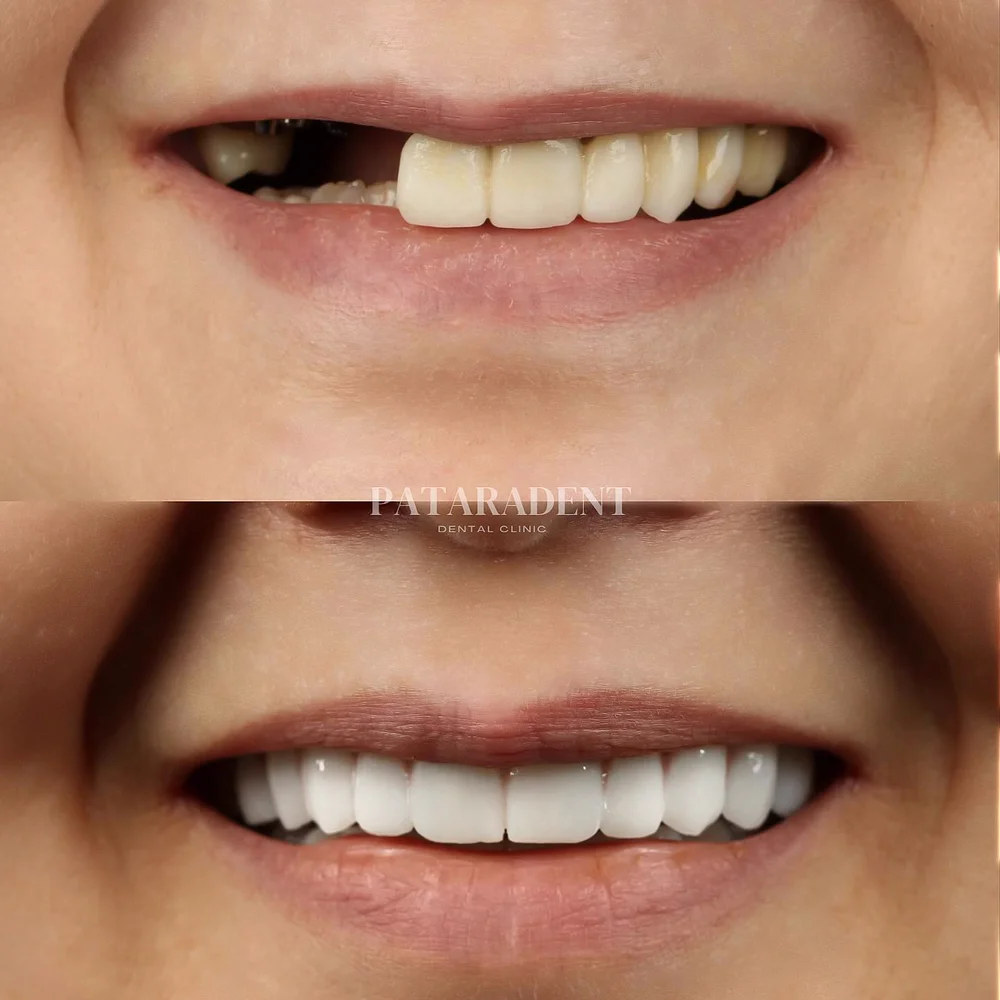
What the Dentist Looks For on Your X-ray
- Decay under existing fillings or crowns
- Infection at root tips that needs treatment before a crown
- The quality of previous root canal fillings
- Bone loss caused by gum disease
- Bone volume, sinus position and nerve canal for implants
- Impacted or problematic wisdom teeth
These findings can change the plan. An infected tooth may need root canal treatment first, and limited bone may lead to a graft or an angled-implant solution such as All-on-6 or All-on-4. This is why an X-ray-based quote is more reliable than a starting price.
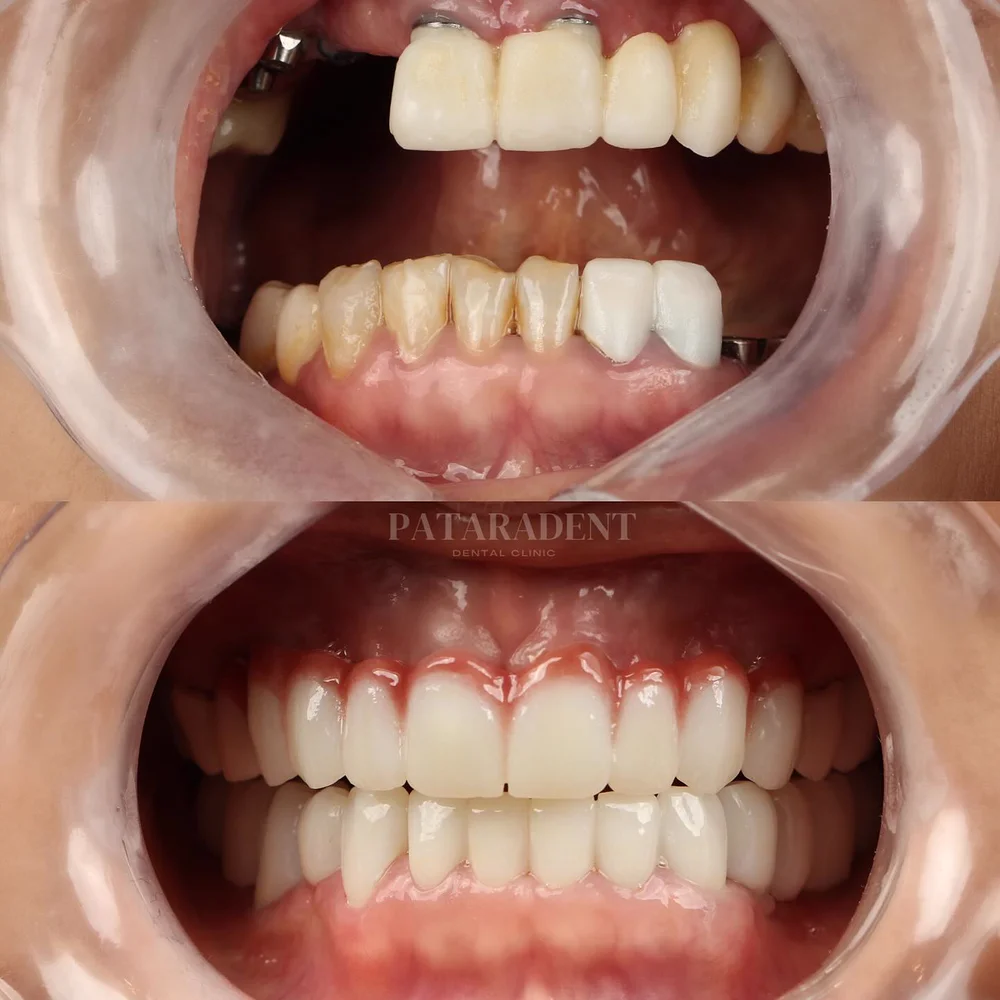
Start your treatment planning
Already Have a Recent X-ray?
Send it to us with a few smile photos. We will review your case and explain the possible treatment stages before you book your flights.
Frequently Asked Questions
How old can my dental X-ray be?
As a general guide, an OPG from the last 6–12 months is most useful. Older images can still help, but new decay or bone changes may be missed.
Can I send a photo of my X-ray on a screen?
It can help for a first look, but the original digital file is much clearer and lets the dentist zoom in and measure accurately.
Do I need a CBCT scan for veneers?
Usually not. An OPG and clinical photos are generally enough for veneers and crowns. CBCT is mainly used for implants and complex cases.
Will I need another scan in Antalya?
Possibly. If your scan is old or incomplete, or implants are planned, the dentist may take new imaging at the clinic to confirm measurements.
Are dental X-rays safe?
Dental X-ray doses are low, and a CBCT is only taken when the benefit justifies it. Always tell the dentist if you are or could be pregnant.