

Root Canal Before a Crown Abroad: Can It Be Done in One Trip?
The Short Answer
In many cases, yes. A root canal can often be completed in one or two appointments and a crown fitted within the same 5–7 day trip. If there is an active abscess, a curved or blocked canal, or an old root canal needs redoing, medicine may be placed between visits and the final crown can be delayed.


At Patara Dent, the tooth is assessed with X-rays before treatment so you know in advance whether one trip is realistic or whether a second visit is safer.
Typical Timeline in One Trip
| Day | Uncomplicated tooth | Tooth with infection |
|---|---|---|
| Day 1 | Examination, X-ray, start of root canal | Examination, X-ray, cleaning and medicine dressing |
| Days 2–3 | Root canal completed, core filling | Healing, symptoms monitored |
| Day 3–4 | Crown preparation and digital scan | Root canal completed if symptoms have settled |
| Days 5–6 | Crown fitted | Crown preparation, or crown planned for a later visit |
| Day 7 | Final check and flight home | Final check and flight home |
Indicative timeline only. Your dentist confirms the schedule after examining the tooth.
How Many Visits Does a Root Canal Need?
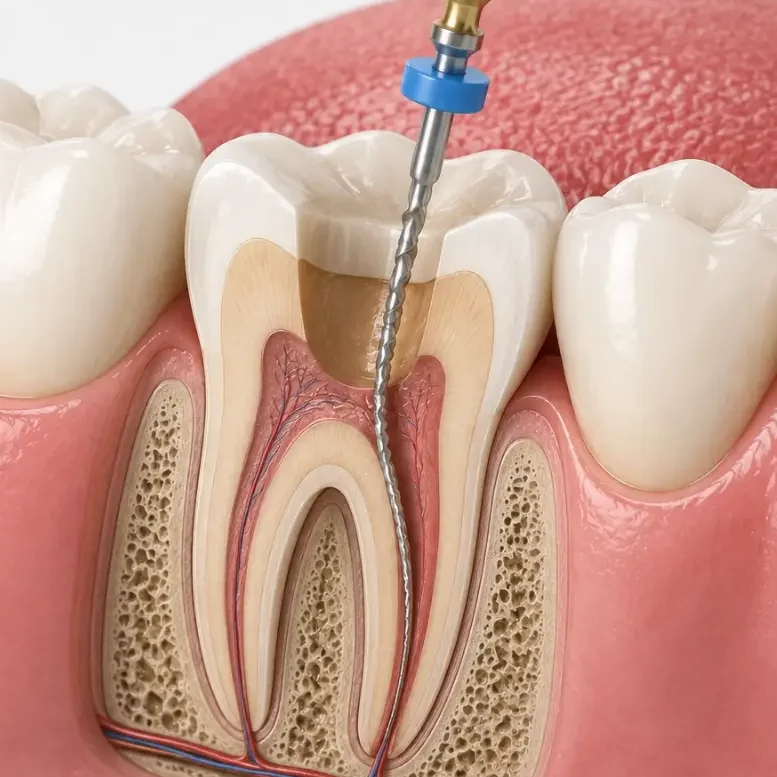
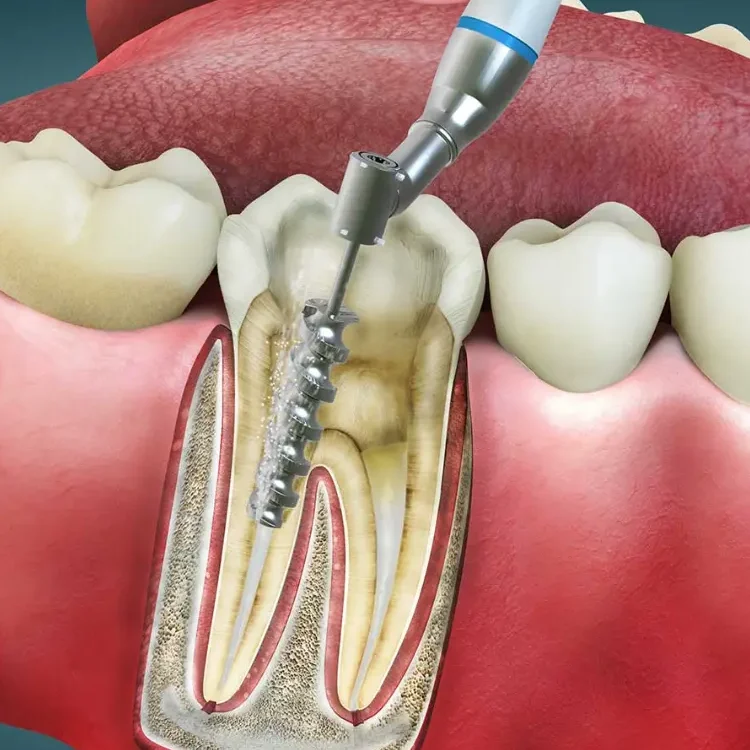
A root canal removes inflamed or infected pulp, cleans and shapes the canals, disinfects them and seals them with a filling material. The tooth is then sealed with a core filling.
- One visit: often possible when the nerve is inflamed but not infected.
- Two visits: common when there is infection; a medicine dressing is placed for a few days before the final filling.
- Retreatment: redoing an old root canal usually takes longer and may need 3D imaging.
More details are on our root canal treatment page.
Explore Our Dental Treatments
Find out more about your treatment options at Patara Dent.
Does Every Root-Treated Tooth Need a Crown?
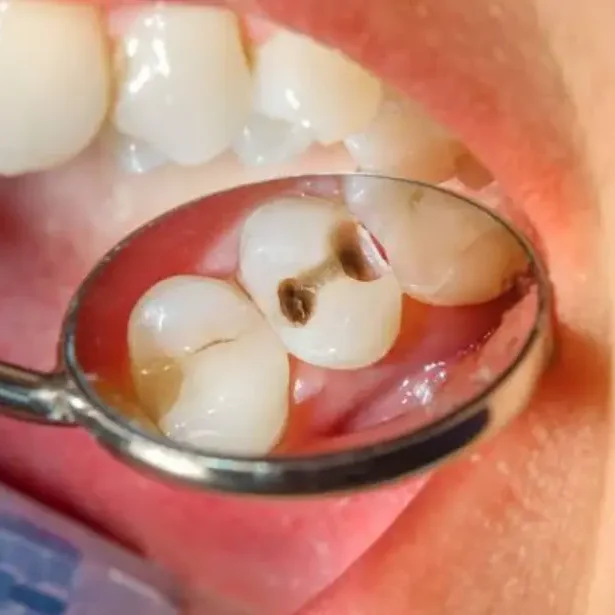
Not every tooth, but most back teeth (premolars and molars) do. After a root canal these teeth are weaker and more likely to crack under chewing forces, so a crown or onlay is commonly recommended.
Front teeth with a small access cavity and plenty of healthy structure may only need a filling. When a lot of tooth is missing, a post and core may be placed before the crown. Zirconia or E.max crowns are typical choices; see our zirconium crowns page.
When It Is Better to Wait
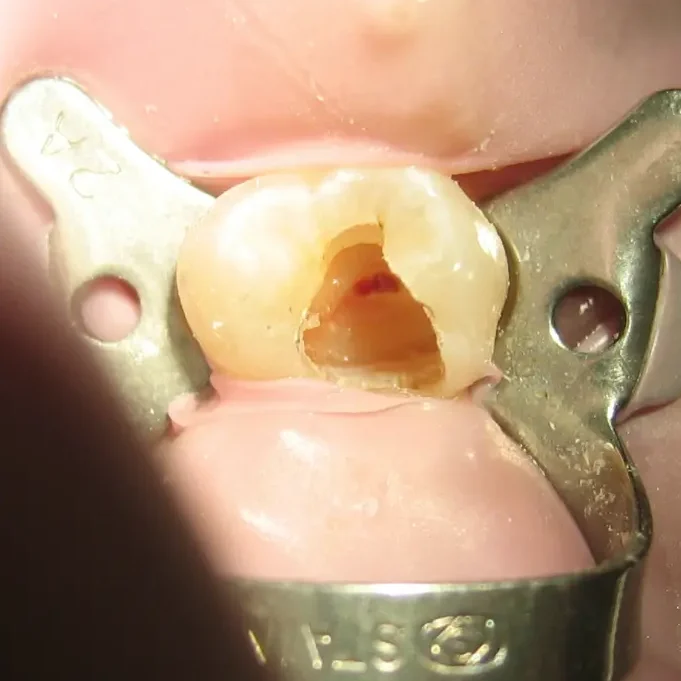
- Severe infection with swelling that needs to settle first
- Persistent symptoms after the first appointment
- A crack extending into the root, which makes the long-term outlook uncertain
- Significant bone loss around the tooth
In these situations, rushing a crown can mean redoing the work later. Sometimes the honest recommendation is to remove the tooth and plan a dental implant instead. A clear explanation of the prognosis helps you decide.
Start your treatment planning
Have a Painful or Broken Tooth?
Send us a recent X-ray and a photo of the tooth. We will tell you whether a root canal and crown can realistically be completed in one trip.
Frequently Asked Questions
Is a root canal painful?
It is carried out under local anaesthesia and usually feels similar to having a filling. The tooth may be tender for a few days afterwards.
Can I fly after a root canal?
Generally yes. Changes in cabin pressure rarely cause problems once the canal is sealed, but follow your dentist’s advice if infection was present.
How long does a root canal last?
A well-sealed root canal protected by a crown can last many years and often decades, provided the tooth is kept clean and checked regularly.
What happens if I do not crown a root-treated molar?
The tooth is more likely to crack or break under chewing forces. A fracture below the gum can make the tooth impossible to save.
Can a failed root canal be redone?
Often yes, through root canal retreatment or a small surgical procedure. If the tooth cannot be saved, extraction and an implant may be recommended.