

“Turkey Teeth” Explained: Crowns vs Veneers vs Bonding
How Much Tooth Is Really Removed?
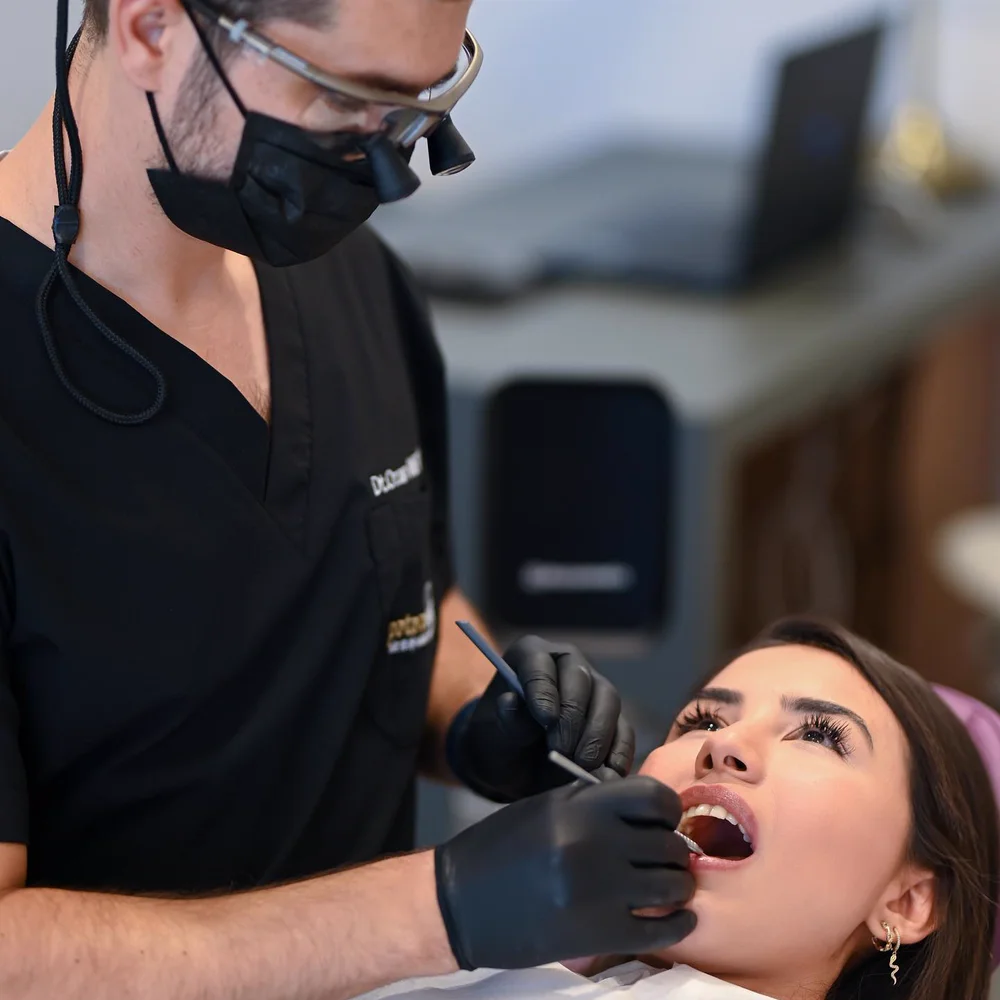
“Turkey teeth” usually refers to full crowns placed on healthy front teeth for cosmetic reasons. Composite bonding removes little or no enamel, porcelain or E.max veneers typically remove around 0.3–0.7 mm from the front surface, while a full crown reduces the tooth by roughly 1–2 mm on every side.


The right option depends on the condition of each individual tooth, not on the price of a full set. At Patara Dent, your plan is prepared after a clinical examination and imaging, and we explain what will be done to each tooth before treatment begins.
Bonding vs Veneers vs Crowns at a Glance
| Composite bonding | Veneers (E.max / porcelain) | Crowns (zirconia / E.max) | |
|---|---|---|---|
| Tooth reduction | None to minimal | About 0.3–0.7 mm, front surface | About 1–2 mm, all sides |
| Visits | Usually one | Two or more, laboratory made | Two or more, laboratory made |
| Reversible? | Largely | No | No |
| Stain resistance | Moderate | High | High |
| Typical lifespan* | Around 5–7 years | Often 10–15+ years | Often 10–15+ years |
| Best for | Small chips, gaps, edges | Shape and colour on healthy teeth | Damaged, heavily filled or root-treated teeth |
*Typical ranges only. Lifespan depends on oral hygiene, grinding, diet and regular check-ups.
What Does “Turkey Teeth” Actually Mean?
The term became popular in UK media to describe very white, bulky smiles that were often created by crowning many healthy teeth within a few days. The problem is not a country; it is the choice of treatment. When healthy teeth are prepared for full crowns, a large part of the natural enamel is removed permanently.
Heavily reduced teeth can become sensitive, some may later need root canal treatment, and every crown will eventually need replacing. A conservative plan uses the least invasive option that can still achieve your goal: teeth whitening, composite bonding or veneers for healthy teeth, and crowns where teeth are already heavily filled, cracked or root-treated.
Explore Our Dental Treatments
Find out more about your treatment options at Patara Dent.
Bonding, Veneers and Crowns: How Each One Works
- Composite bonding: tooth-coloured resin is sculpted directly onto the tooth, usually in one visit. Little or no drilling is needed and it can be repaired, but it stains and chips more easily than ceramic.
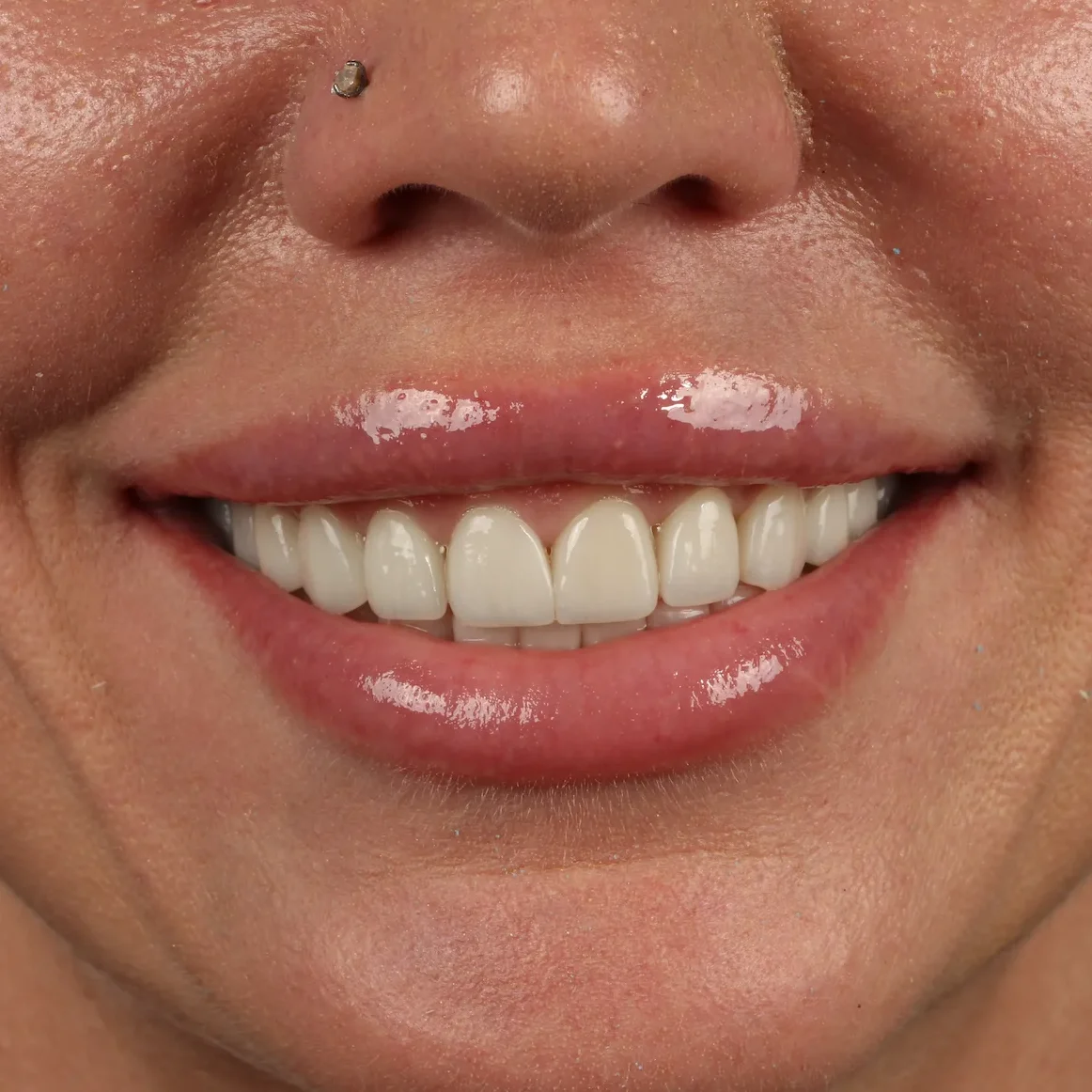
- Veneers (E.max or porcelain): thin ceramic shells made in a dental laboratory and bonded to the front of the tooth. Preparation is minimal, the colour is stable and they suit changes in shape, colour and small gaps.
- Crowns (zirconia or E.max): caps that cover the whole tooth. They give the strongest protection to damaged or root-treated teeth, but they need the most tooth reduction.
Many smile makeovers combine these options. A Hollywood smile, for example, may use veneers on healthy front teeth and crowns only where a tooth is already weakened.
How to Avoid a Smile That Goes Wrong
Before you agree to any cosmetic plan, ask these questions:
- Will I receive a tooth-by-tooth plan showing bonding, veneer or crown for each tooth?
- How much enamel will be removed, and why is a crown needed rather than a veneer?
- Should my teeth be whitened first so the new teeth match my natural shade?
- Have decay and gum problems been treated before cosmetic work starts?
- Is there enough time for a try-in before the final teeth are fixed?
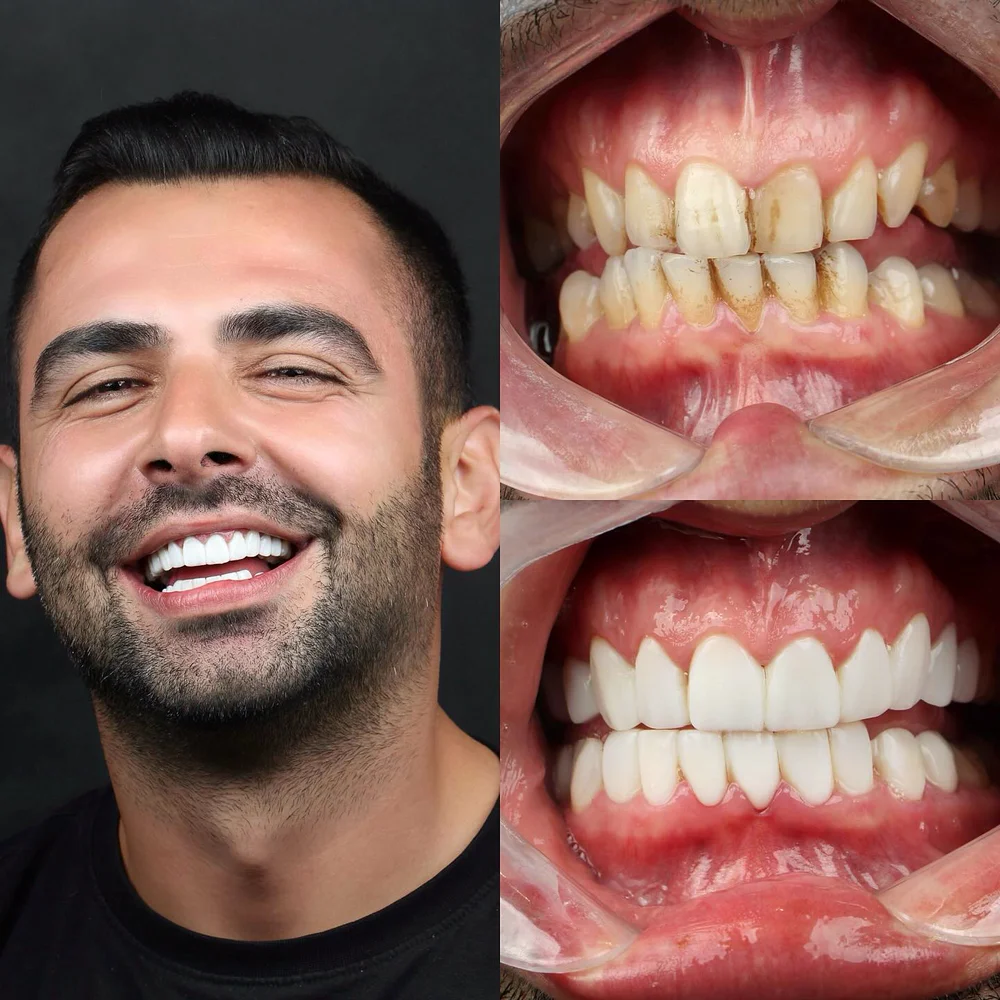
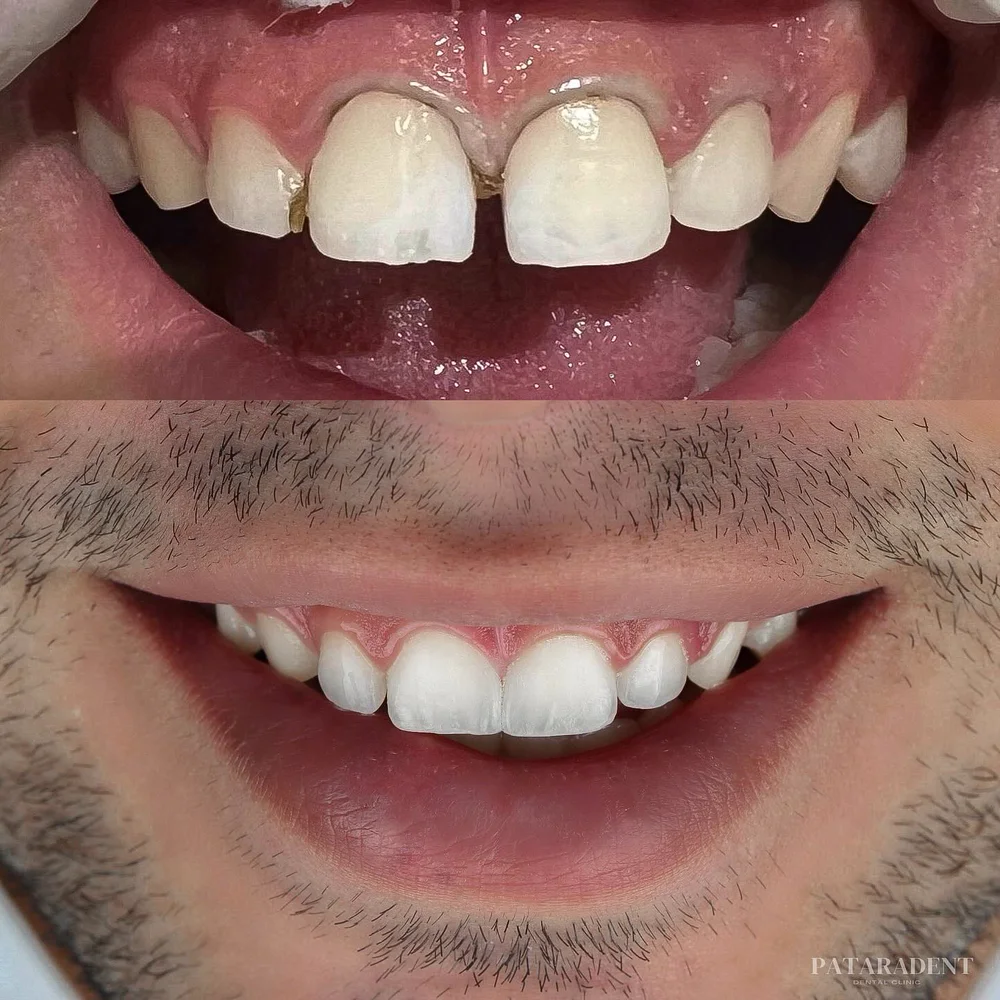
You can see examples of natural-looking results in our before and after gallery.
Start your treatment planning
Not Sure Whether You Need Bonding, Veneers or Crowns?
Send us clear photos of your smile and any recent X-ray. We will explain which option protects the most natural tooth structure for your case.
Frequently Asked Questions
Are veneers in Turkey the same as “Turkey teeth”?
No. Most cases described as “Turkey teeth” involved full crowns on healthy teeth. Well-planned veneers keep most of the natural tooth and only change the front surface.
Can composite bonding be removed later?
Largely yes. Because little or no enamel is removed, bonding can usually be polished away, repaired or replaced, although the tooth surface may need refinishing.
How long do veneers last?
Ceramic veneers commonly last 10–15 years or longer with good oral hygiene, regular check-ups and a night guard if you grind your teeth.
Do crowned teeth need root canal treatment?
Not always, but the more a healthy tooth is reduced, the higher the risk of nerve inflammation. Some crowned teeth later need root canal treatment.
Can I whiten my teeth after veneers or crowns?
Ceramic does not change colour with whitening. If you want a brighter natural shade, whitening is usually done before the veneer or crown colour is chosen.