

Zirconia vs E.max vs Metal-Ceramic: Choosing the Right Material for Crowns and Veneers
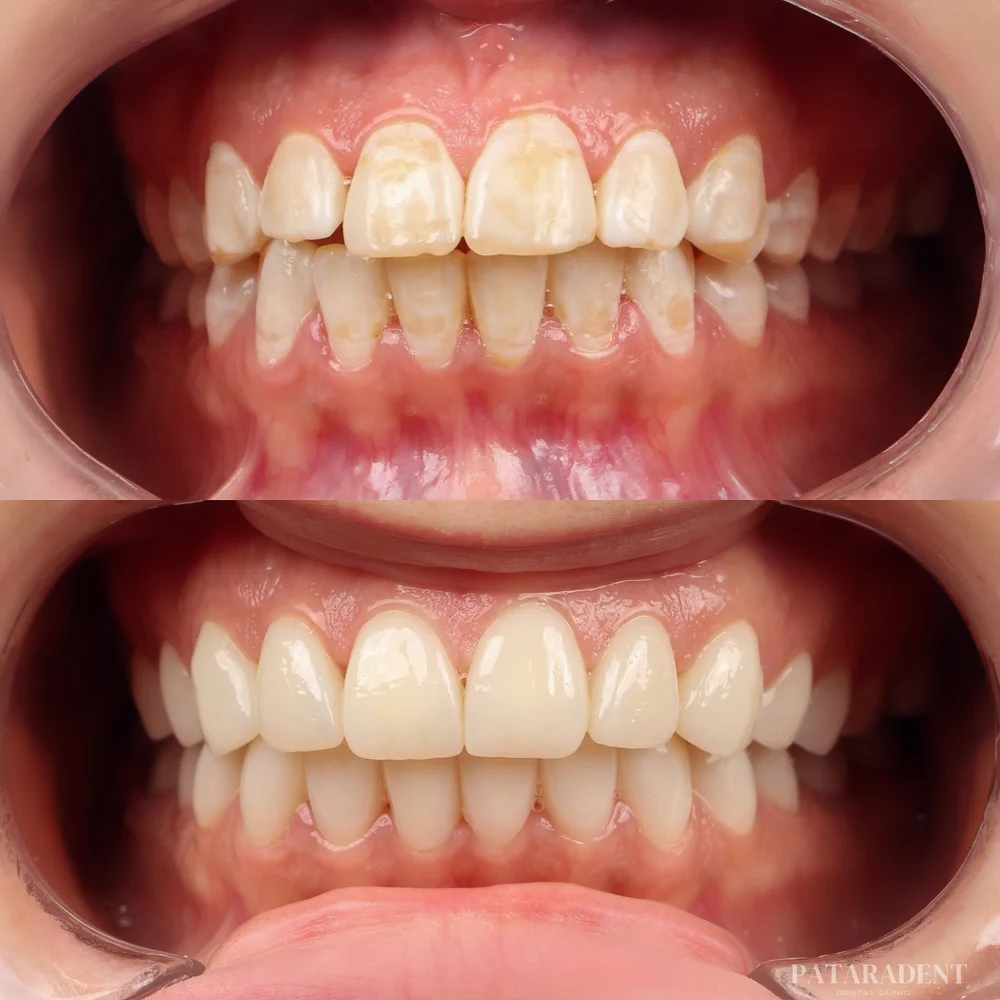
Which Material Is Best?
Zirconia is the strongest option and suits back teeth, bridges and implant crowns. E.max (lithium disilicate) gives the most natural translucency for front-tooth veneers and crowns. Metal-ceramic is strong and economical but can show a grey line at the gum over time. With good care, all three commonly last 10–15 years or longer.


At Patara Dent the material is chosen tooth by tooth, based on position, bite, colour and the amount of natural tooth remaining.
Crown and Veneer Materials Compared
| Zirconia | E.max | Metal-ceramic | Composite | |
|---|---|---|---|---|
| Strength | Very high | High | High | Moderate |
| Appearance | Good to very good (multilayer) | Excellent, most translucent | Good, possible grey margin | Good, may stain |
| Tooth reduction | Moderate | Minimal for veneers | Most | None to minimal |
| Best for | Molars, bridges, implant crowns | Front veneers and crowns | Budget crowns, back teeth | Small chips, gaps, edges |
| Typical lifespan* | 10–15+ years | 10–15+ years | 10–15+ years | Around 5–7 years |
*Typical ranges only. Lifespan depends on hygiene, bite, grinding and regular check-ups.
Zirconia Crowns: Strength for Back Teeth and Bridges
Zirconia is a high-strength ceramic with excellent resistance to fracture. It is widely used for molars, bridges and crowns on dental implants, and it is a good option for people who grind their teeth.
Older zirconia could look opaque, but modern multilayer zirconia has a natural colour gradient. On front teeth it can still look slightly less lifelike than E.max, so the choice depends on your priorities. Learn more on our zirconium crowns page.

Explore Our Dental Treatments
Find out more about your treatment options at Patara Dent.
E.max Veneers and Crowns: Natural Translucency
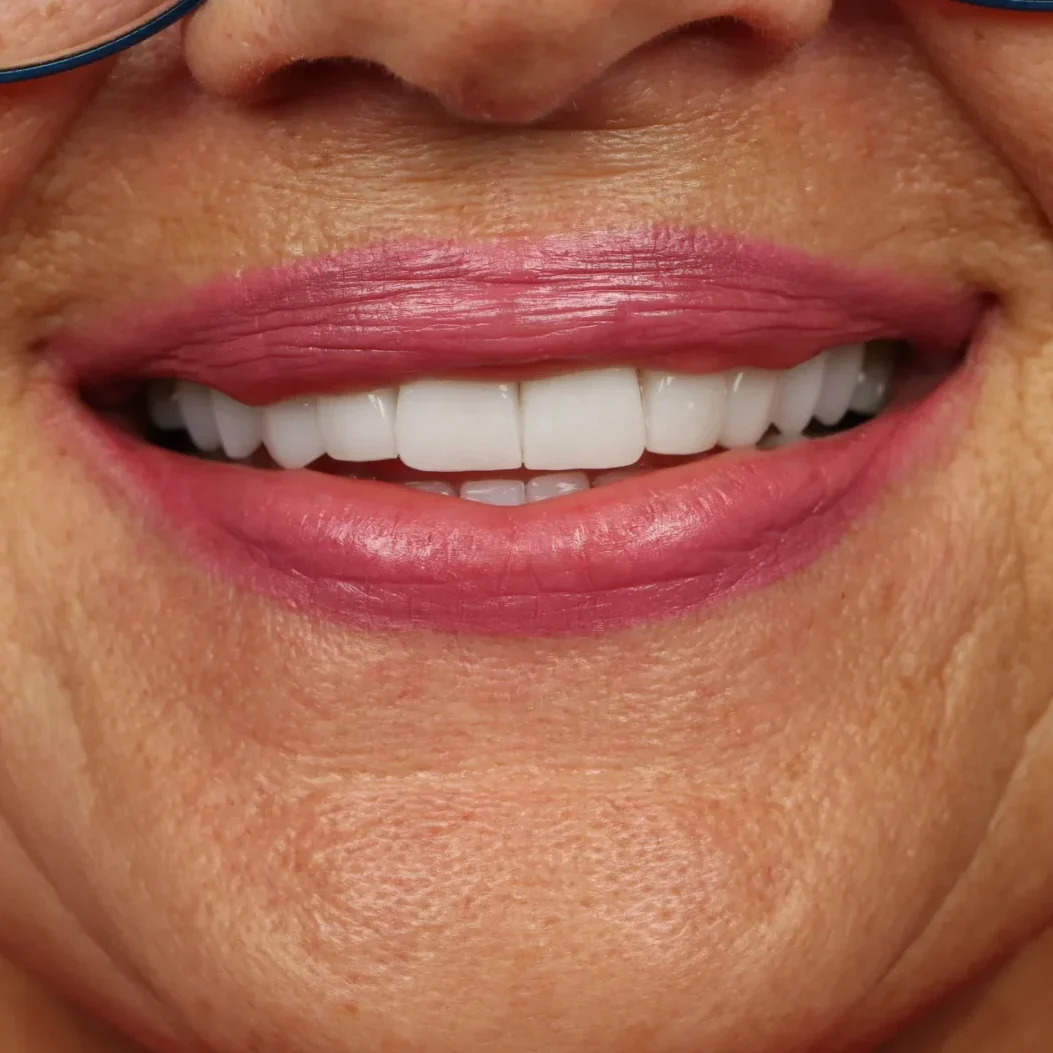
E.max is a lithium disilicate glass-ceramic. Light passes through it in a similar way to natural enamel, which makes it a popular choice for smile makeovers. Because it is strong even in thin layers, E.max veneers need only minimal tooth preparation.
E.max is bonded adhesively to the tooth, which supports the restoration. It suits front teeth and premolars and is often used in a Hollywood smile. For heavy grinders or long bridges, zirconia is usually preferred.
Metal-Ceramic and Composite: Where Do They Fit?
Metal-ceramic crowns have a metal core covered with porcelain. They have a long track record and are strong, but the metal blocks light and a dark line may appear at the gum if it recedes. Metal-free options are generally preferred for visible teeth and for patients with metal sensitivity.
Composite is applied directly to the tooth without a laboratory. It is the most conservative and affordable choice and can be repaired, but it stains and wears faster than ceramic. It is ideal for small corrections; see our composite bonding page.

Start your treatment planning
Which Material Fits Your Smile?
Send us photos of your teeth and tell us what you would like to change. We will explain which materials suit each tooth and why.
Frequently Asked Questions
Is zirconia or E.max better for front teeth?
E.max usually looks the most natural on front teeth because of its translucency. Multilayer zirconia is an option when extra strength is the priority, for example in heavy grinders.
Do zirconia crowns look fake?
Modern multilayer zirconia looks natural in most situations. Older, single-shade zirconia could appear more opaque, especially on front teeth.
Can zirconia crowns break?
Fractures are rare because zirconia is very strong, but heavy grinding can damage any restoration. A night guard is often recommended for grinders.
Are metal-free crowns better than metal-ceramic?
Metal-free crowns avoid the risk of a grey line at the gum and suit people with metal sensitivity. Metal-ceramic crowns remain a strong, economical option for less visible teeth.
How long do E.max veneers last?
E.max veneers commonly last 10–15 years or longer with good oral hygiene, regular check-ups and protection from grinding.